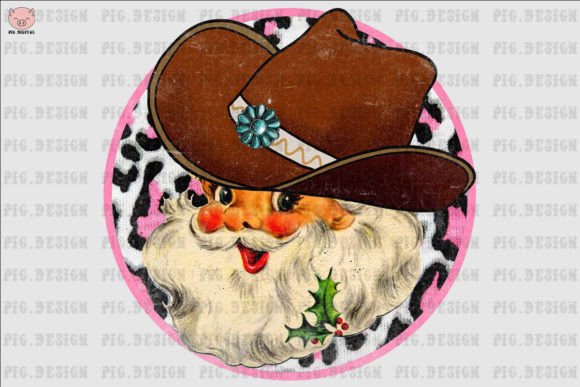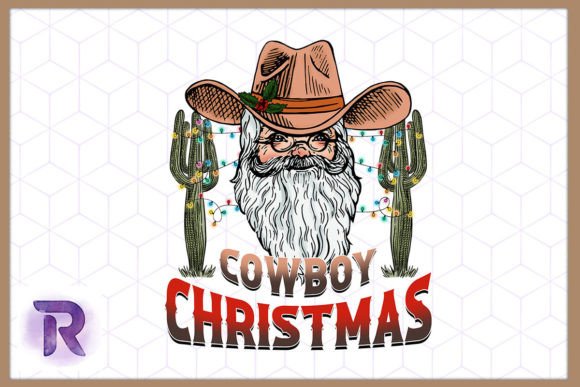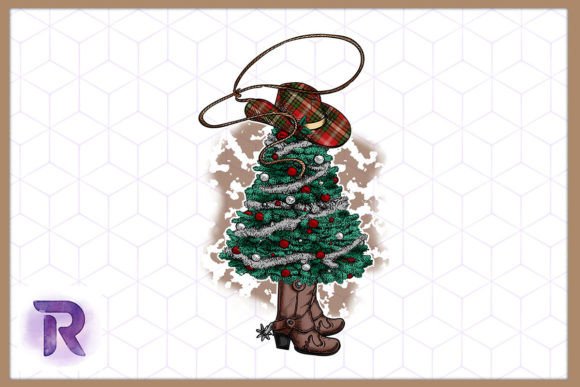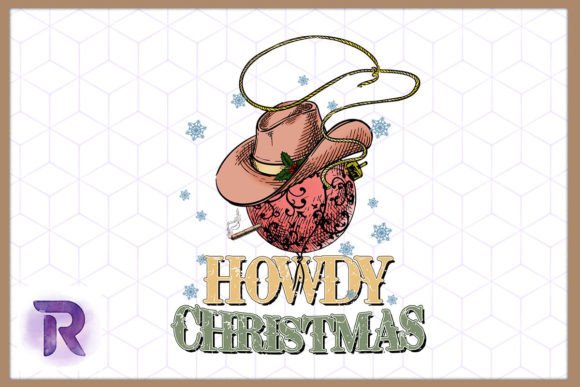
Christmas Cowboy Western Windmill Review
As a designer who spends more time than I care to admit staring at stitch paths and testing thread tension, I don’t just buy embroidery files; I interrogate them. When Christmas Cowboy Western Windmill landed in my inbox, I didn’t immediately see it as a generic holiday clip art. Instead, I saw a specific aesthetic opportunity: the intersection of rustic Americana and seasonal cheer. This is not your standard snowman or reindeer design. It carries a distinct narrative weight that appeals to a very particular, yet highly engaged, demographic. For those of us in the crafts space—whether you are an Etsy seller looking for a niche hit or a hobbyist making a heartfelt gift—understanding how this graphic translates from a digital asset into a tangible handmade product is crucial.
The First Impression: Mood and Visual Personality
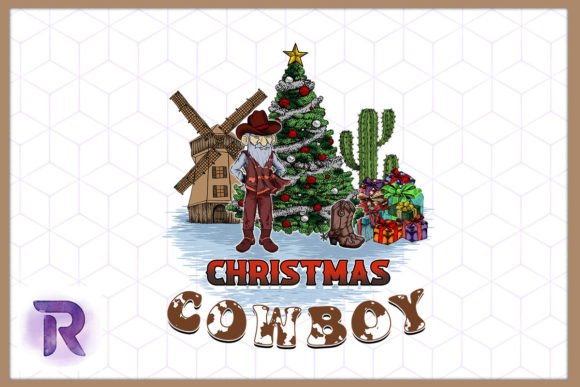
The immediate visual pull of Christmas Cowboy Western Windmill lies in its thematic juxtaposition. You have the rugged, industrial silhouette of a windmill combined with the soft, nostalgic warmth of Christmas motifs. From a design perspective, this creates a balanced composition that feels both grounded and festive. The layout suggests a strong central focal point, which is ideal for embroidery because it gives the eye a clear place to rest without feeling cluttered.
What stands out most is the "western" character of the piece. It avoids the saccharine pink-and-red overload often associated with holiday crafts. Instead, it leans into earth tones, deep reds, and perhaps a touch of metallic gold or silver if the thread selection allows. This makes it versatile for custom apparel that targets adults who appreciate rustic decor but still want to celebrate the season. It feels like something you would find in a high-end boutique in Nashville or Austin, rather than a mass-produced department store item. That distinction matters immensely when you are trying to build brand consistency for your own shop.
Real-World Application: Where This Design Shines
I put Christmas Cowboy Western Windmill through its paces by imagining it on various substrates. The first test case was a heavy-duty canvas tote bag. Because the design has strong lines and a relatively open background (depending on the specific vector details), it translates beautifully onto textured fabrics. The contrast between the coarse weave of the canvas and the smooth sheen of polyester embroidery thread creates a tactile richness that customers love. It works as a tote bag design for holiday markets because it signals utility and style simultaneously.
Next, I considered sweatshirt embroidery. A crewneck fleece or a denim jacket is the perfect canvas for this western theme. The design’s scale allows it to sit comfortably on the chest or take center stage on the back. For sweatshirt embroidery, the key is ensuring the underlay stitches are dense enough to prevent the fabric from puckering, especially if the windmill structure includes thin vertical lines. When executed correctly, this becomes a premium holiday gift item that feels personalized and thoughtful.
Baby items were another area of interest. While the theme is rugged, the execution can be softened. Using pastel threads or a muted color palette, this design could work on a burp cloth or a baby onesie. However, for baby embroidery, one must be cautious about detail level. If the windmill has intricate lace-like elements, it might get lost on a small garment. But if it relies on bold shapes and clean lines, it offers a unique alternative to traditional Santa suits, appealing to parents who prefer a more modern, rustic aesthetic for their nursery decor or gifts.
Technical Considerations and Stitch Performance
Translating a graphic into a functional machine embroidery design requires more than just good looks; it demands technical viability. When evaluating Christmas Cowboy Western Windmill, I look closely at how different stitch types interact with the image. Areas representing the windmill blades or structural supports likely benefit from a robust fill stitch to provide coverage and durability. In contrast, decorative elements like ribbon or holly accents might shine with a precise satin stitch, giving them a raised, polished edge that catches the light.
One critical factor is stitch density. Western themes often feature solid blocks of color or heavy textures. If the design calls for too much stitching in a small area, it can become stiff and uncomfortable, particularly on custom apparel worn against the skin. I always recommend checking the density map before finalizing production. If the design is too dense for a delicate fabric like silk or thin cotton, it will warp the material. Conversely, if it is too sparse, it may look patchy on dark backgrounds. Finding that sweet spot ensures the finished product feels professional and durable.
Another technical aspect is the use of applique design techniques. If the original graphic lends itself to layered fabric pieces—for example, a denim base for the windmill with a red flannel overlay for the roof—it opens up new creative possibilities. Applique can reduce thread usage and add dimension, making the embroidery project feel more artisanal. However, this requires advanced machine skills and careful planning regarding seam allowances and stabilizer support.
Where to Exercise Caution
Not every surface is suitable for this design. I advise against using Christmas Cowboy Western Windmill on highly textured fabrics like bouclé or thick sherpa, as the needle penetration may be inconsistent, leading to skipped stitches. Similarly, stretchy knits require a heavy-duty stabilizer to prevent distortion. If you are working on curved surfaces like caps or hats, ensure the design curvature matches the hat’s profile; otherwise, the windmill may appear warped or unbalanced.
Small hoop sizes are also a constraint. If you attempt to digitize or stitch this design in a tiny 4x4 inch hoop, fine details may merge into indistinguishable blobs. Always confirm the hoop size requirements before committing to a small product like a coffee cozy or a miniature ornament. Additionally, for products that need frequent washing, such as kitchen towels or aprons, verify that the thread colors are colorfast and that the stitch patterns are secure enough to withstand agitation without fraying.
Business Value and Customer Appeal
From a commercial standpoint, Christmas Cowboy Western Windmill hits a sweet spot in the market. It appeals to the growing demand for personalized gift options that stand out. Customers are increasingly looking for items that reflect their personal identity—whether that’s a love for rural living, a connection to western culture, or a preference for non-traditional holiday aesthetics. By offering this design, you position your shop as curated and thoughtful.
For Etsy sellers and small shop owners, the versatility of this file means you can create multiple SKUs. Use it on aprons for home bakers, on pillow covers for farmhouse-style decor, or on embroidered patches for jackets and bags. Each application taps into a different buyer intent, increasing your chances of conversion. Furthermore, because the design is thematic rather than strictly literal, it has a longer shelf life than designs tied to fleeting trends.
Visual appeal directly impacts customer trust. A well-executed embroidery job demonstrates attention to detail and quality craftsmanship. When customers see a crisp, clean rendition of Christmas Cowboy Western Windmill on a product, they perceive higher value and are more willing to pay a premium price. This is especially true for commercial embroidery projects where branding and presentation are paramount. Professional-looking results reinforce your reputation as a reliable creator.
Practical Designer Notes for Success
Before integrating this design into your workflow, I strongly recommend running a test stitch on scrap fabric. This allows you to assess thread colors in context and adjust tension settings if necessary. Inspect small details closely; if any elements are too fine for your current needle size, consider simplifying the design or adjusting the digitization. Testing in black and white mockups can also help you evaluate contrast levels independently of color distractions.
Always use the proper stabilizer for your fabric type. Cut-away stabilizers are generally best for woven fabrics and long-lasting garments, while tear-away stabilizers may suffice for temporary projects like cards or lightweight textiles. Confirm whether the digital embroidery file license permits commercial use if you plan to sell finished items. Finally, compare light and dark fabric backgrounds to ensure the design remains legible and striking regardless of the substrate. By following these steps, you ensure that your embroidery project meets the high standards your customers expect.
In conclusion, Christmas Cowboy Western Windmill is a compelling addition to any designer’s toolkit. Its unique blend of western charm and holiday spirit offers endless possibilities for creative expression. Whether you are crafting a personalized gift for a loved one or developing a line of small shop products for the holiday season, this design provides a solid foundation for creating memorable, high-quality embroidered goods. Approach it with technical diligence and creative vision, and you will likely find it resonates deeply with your audience.