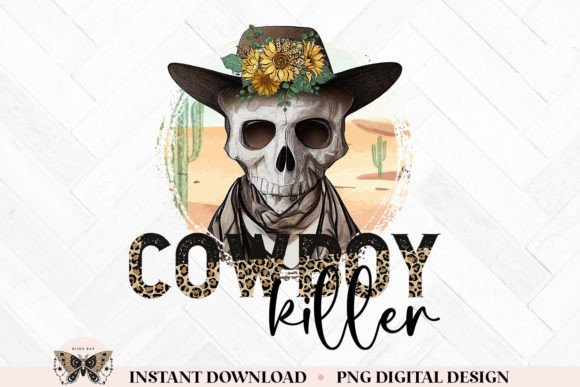
Cowboy Hat Wester PNG Embroidery Review
As a designer who spends more time troubleshooting stitch errors than actually designing, I approach every new digital asset with a healthy dose of skepticism. We have all been there: you find the perfect graphic, download it, and then spend an hour wondering why the satin stitches are piling up or why the detail vanishes on a small hoop. That is exactly where Cowboy Hat Wester PNG caught my attention. It falls squarely into the Crafts category under Graphics, but for embroidery designers, the real question is not what file type it is, but how it translates to thread.
I recently took this design out of the digital folder and put it through its paces in a real-world scenario. My goal was to create a cohesive line of boutique merchandise for a local craft fair, focusing on custom apparel and personalized gifts. Specifically, I wanted to see if this western-themed motif would hold up on a mix of heavy cotton tote bags, soft sweatshirts, and delicate baby items. Here is my honest breakdown of how Cowboy Hat Wester PNG performs when the needle starts moving.
First Impressions and Visual Personality
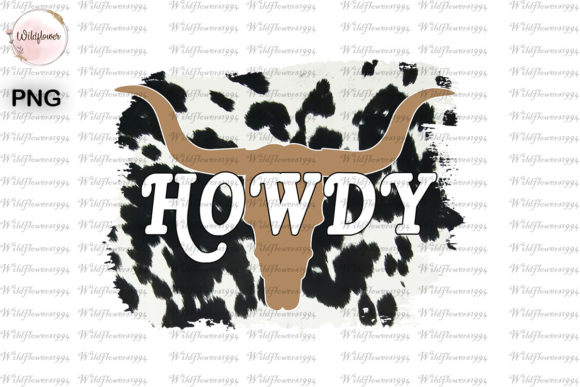
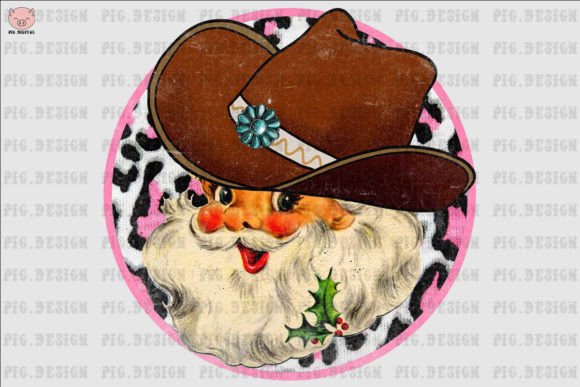
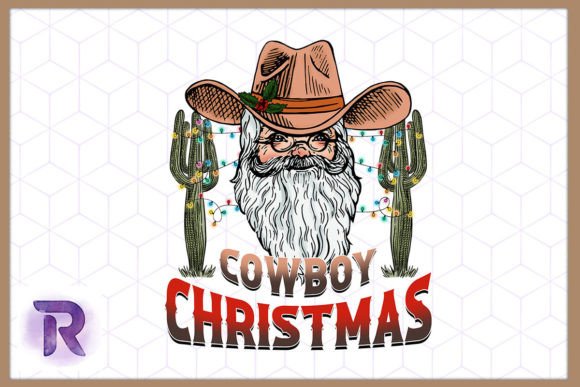
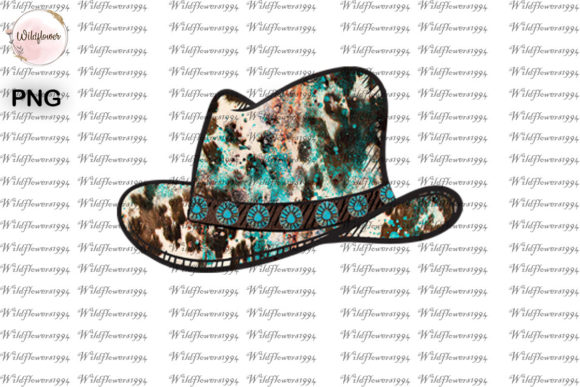
The moment you load Cowboy Hat Wester PNG into your digitizing software, the visual personality is clear. It carries that classic, rugged aesthetic associated with western wear, yet it retains enough simplicity to be versatile. The shape is bold, which is the first thing any embroiderer looks for. In embroidery, complexity is the enemy of clarity, especially when working with standard machine setups. This design leans into strong lines and recognizable silhouettes, avoiding the trap of overly intricate details that often turn into mushy blobs after stitching.
Mood-wise, it screams "rustic charm." It fits naturally into projects that aim for a handmade, artisanal feel. Whether you are branding a small shop product or creating a heartfelt gift, the design evokes a sense of tradition and durability. It does not try to be modern minimalism, nor does it attempt high-fashion abstraction. Instead, it occupies that sweet spot of accessible Americana that appeals to a broad audience. For an Etsy seller or a crafter looking to add a touch of western flair to their inventory, this is a reliable mood setter.
Real-World Application: From Screen to Stitch
Let us talk about practical use cases. I tested the concept of Cowboy Hat Wester PNG across several different mediums to see where it shines and where it might struggle. The most successful application was undoubtedly on a sturdy canvas tote bag. The clean lines of the hat design contrasted beautifully against the textured fabric, creating a professional-looking finished product that felt substantial. When customers pick up a tote bag with a crisp, well-defined western graphic, they perceive higher value. It signals that care was taken in the production process.
Sweatshirt embroidery was another strong contender. There is something inherently cozy about pairing a western motif with heavyweight fleece or cotton blends. The design works particularly well as a chest logo or a centered back print. Because the PNG resolution is 300 dpi, resizing it to fit various garment dimensions was straightforward. However, I found that on stretchy fabrics like jersey knits, the design required careful stabilization to prevent distortion. The western theme pairs well with denim jackets and caps as well, offering a cohesive look for custom apparel collections.
I also considered its potential for smaller items. An embroidered patch featuring this design could easily be sewn onto a backpack or a baseball cap. Similarly, using it for baby embroidery—perhaps on a muslin blanket or a onesie—adds a unique, gender-neutral option that stands out from typical floral or animal motifs. For holiday embroidery, such as Christmas or Thanksgiving gifts, the rustic vibe complements seasonal themes nicely, especially when paired with warm earth-tone threads.
Where Caution Is Required
No design is perfect for every situation, and Cowboy Hat Wester PNG is no exception. There are specific scenarios where you need to exercise caution. First, consider the hoop size. If you are working with a very small hoop, such as one used for jewelry tags or tiny accessories, the overall balance of the hat might get lost. The negative space becomes too dominant, and the design may appear incomplete. Always preview the scaled-down version before committing to the final stitch.
Fabric texture plays a huge role here. On highly textured fabrics like bouclé or thick chenille, the fine edges of the hat brim might disappear. Similarly, on thin or sheer fabrics, the underlying stabilizer might show through, ruining the clean look. Stretchy fabrics require a cut-away stabilizer to maintain integrity; otherwise, the tension from the satin stitches could pucker the material around the hat’s outline.
Dense stitch areas are another consideration. If your digitizing software converts large parts of the hat into fill stitches, you risk creating a stiff, uncomfortable area on garments like t-shirts or aprons. For products that need frequent washing, such as kitchen towels or children’s clothing, ensure that the stitch density is not so high that it traps lint or degrades quickly over time. Also, be mindful of dark fabrics. While the transparent background helps with placement, the thread colors you choose must provide sufficient contrast. A light-colored hat on a black shirt will vanish unless you use bright or metallic threads.
Designer Notes for Optimal Results
To get the best out of this digital embroidery file, I recommend a few practical steps. First, always test the design on scrap fabric that matches your final project in weight and stretch. This allows you to check thread color contrast and inspect small details without wasting expensive materials. Reviewing the stitch density is crucial; if the design feels too heavy, consider simplifying the internal elements or switching some fill stitches to running stitches for a lighter touch.
Confirming the hoop size early in the process saves time. Make sure the design fits comfortably within your machine’s capabilities, leaving enough margin for hooping. Inspect the corners and curves of the hat brim closely; these are common trouble spots for satin stitch breakage. Testing the design in black and white mockups can help you judge the composition and balance independent of color distractions.
Furthermore, compare how the design looks on both light and dark fabric backgrounds. This ensures versatility in your product line. Use a proper stabilizer appropriate for your fabric type to prevent puckering and ensure longevity. Before selling finished items or digital products, confirm licensing terms. While the source mentions it is a PNG graphic, commercial rights vary, and protecting your business means understanding what you are allowed to do with the design assets.
Final Verdict on Commercial Appeal
From a brand consistency perspective, Cowboy Hat Wester PNG is a solid addition to any craft business portfolio. It supports a clear aesthetic that buyers recognize instantly. For an Etsy seller or a small shop owner, having a versatile design like this allows for multiple product variations—from tote bag designs to apron embroidery—without needing to commission new artwork constantly. It enhances buyer engagement by offering a distinctive look that feels personal and handmade.
In conclusion, this graphic delivers on its promise of being a flexible, high-resolution asset. It is not just a picture; it is a foundation for a profitable product line. By paying attention to fabric choice, stabilization, and stitch settings, you can transform this simple western motif into a professional, market-ready embroidery project. It is a dependable tool for any designer looking to add a touch of cowboy charm to their finished product offerings.