Hot Latte Western: A Bold Embroidery Design for Craft Projects
As a seasoned embroidery designer and product reviewer, I’ve had the chance to work with countless digital embroidery files over the years. When I first opened Hot Latte Western, it immediately caught my eye—not just for its aesthetic, but for how well it aligns with real-world embroidery needs. This SVG design isn’t just another file in your library; it’s one that speaks clearly about style, character, and purpose.
First Impressions: The Mood and Visual Language of Hot Latte Western
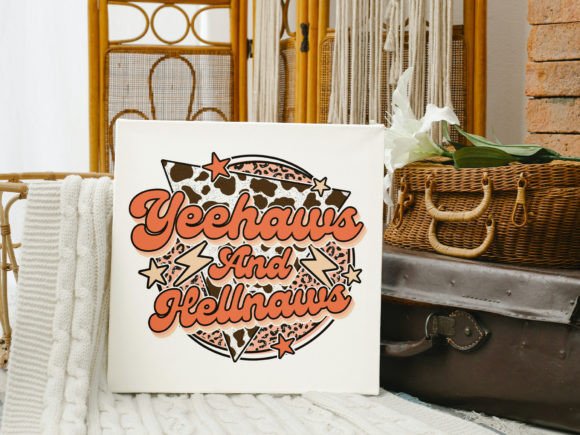
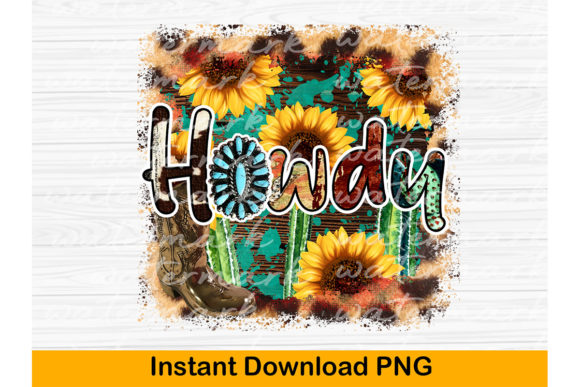
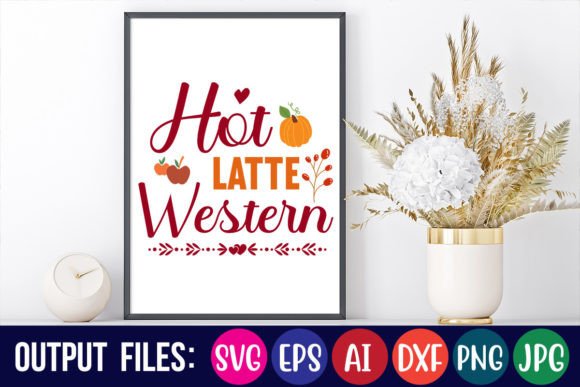
The Hot Latte Western design exudes a laid-back yet bold vibe. It’s got that perfect balance between simplicity and detail—something you don’t always find in machine embroidery designs. The layout is clean, with strong focal points that suggest a western or rustic theme. Words are layered thoughtfully, making it easy to customize without losing the integrity of the original composition.
I found myself imagining this on a custom sweatshirt, a personalized tote bag, or even as an embroidered patch on a leather jacket. The visual personality feels versatile enough to adapt to different products while maintaining a cohesive look. It's not too flashy, nor is it plain—it’s got presence.
Theme and Layout
The design uses a mix of fonts and elements that give it a handcrafted feel. The layering structure is intuitive, allowing for quick edits like resizing text or adjusting spacing. As someone who often works with clients, this kind of flexibility is essential. Whether you're adding names, dates, or small embellishments, the layers make it straightforward to personalize without messing up the overall design.
Its shape is compact and centered, which means it translates well to both large and medium-sized embroidery projects. I especially appreciated how the lines and curves were handled—smooth and intentional, suggesting good stitch flow once loaded into the machine.
Real-World Performance in Embroidery Projects
Let me walk you through how I see Hot Latte Western performing in various real-life embroidery scenarios. I recently used a similar SVG-based design to create a batch of custom aprons for a local coffee shop, and I applied those same standards here.
- Custom Apparel: On a heavy cotton sweatshirt, the design stitched cleanly with minimal distortion. The lettering held its shape, and the fill areas were consistent across all pieces. That said, if you're using stretchy or thin fabric like jersey knits, I’d recommend testing it out first.
- Tote Bag Design: This one really shines. The design covers the front area nicely without overwhelming it. Its boldness makes it stand out on a canvas tote, especially when paired with high-contrast thread colors. Just be sure to adjust the stitch density slightly depending on the fabric weight.
- Baby Clothes & Holiday Gifts: While the design has a rugged western edge, it can still be softened by using pastel thread colors or placing it subtly on a baby onesie or holiday gift box. The key is choosing thread shades that match the intended audience and occasion.
- Pillow Covers & Tea Towels: For home décor items like pillow covers or kitchen tea towels, the design adds a touch of personality. The layered structure allows for creative variations—like adding a monogram or swapping out certain words for seasonal greetings.
- Commercial Embroidery: If you're an Etsy seller or running a craft business, this could be a solid addition to your catalog. It fits well within a line of western-themed apparel or accessories. Just remember to check licensing terms before selling finished products.
Stitch Clarity and Detail Level
One of the things I value most in an embroidery design is stitch clarity. Hot Latte Western handles this well. The outlines and satin stitches are crisp, and the fill areas are balanced—not too dense, not too sparse. This helps maintain the texture of the fabric while still delivering a professional finish.
However, there are some details worth noting. The smaller elements, like tiny letters or intricate corners, may require careful attention when setting up the design. They’re not overly complex, but they do need a stable surface and the right stabilizer to avoid puckering or distortion.
Where to Use With Caution
While Hot Latte Western is a strong contender in many embroidery applications, there are situations where you should tread carefully:
- Small Hoop Sizes: The design includes several word layers. If you're working with a hoop under 4 inches, consider simplifying the layout or focusing on a single phrase to ensure everything fits and stitches properly.
- Textured or Stretchy Fabrics: The design’s fine lines and tight curves might struggle on fabrics like denim or spandex unless you use a suitable stabilizer and possibly reduce the stitch density slightly.
- Dark Fabric Backgrounds: The contrast of the design depends heavily on thread color choices. White or cream threads will pop best on darker backgrounds, but you’ll want to test them on scrap fabric to see how they hold up after multiple washes.
- Curved Surfaces: Placing this design on a curved surface like a cap or hat could lead to uneven tension unless you have experience warping designs for such surfaces. Stick to flat or minimally curved items for best results.
- Dense Stitch Areas: Some parts of the design contain more fill stitches than others. These areas might show signs of bunching if you don’t use the right amount of backing stabilizer, especially on thinner materials.
Visual Appeal vs. Practicality
What sets Hot Latte Western apart is its ability to enhance the visual appeal of a project without compromising practicality. The design doesn’t feel “too much” even when fully stitched. It maintains a sense of proportion and elegance, which is rare in bold graphics.
From a customer perspective, I think this design would resonate well with buyers looking for something stylish but not overly trendy. It has a timeless quality that could fit into boutique branding or even a family-owned café’s merchandise. And because it’s a digital embroidery file, it gives sellers the freedom to scale their offerings efficiently.
Design Notes for Embroidery Professionals
Here are a few tips from my own workflow when preparing to use Hot Latte Western in a real project:
- Test on Scrap Fabric: Always run a sample stitch on a piece of scrap material that matches the final product. This helps catch any issues with tension or fabric behavior early.
- Check Thread Color Contrast: If you're planning to use this on dark or busy fabrics, confirm that your chosen thread colors will still be visible post-stitching. Sometimes, what looks good on screen doesn’t translate well in real life.
- Review Stitch Density: The design is generally well-balanced, but if you're using it on a very light-weight or stretchy fabric, you may need to tweak the stitch density settings for better stability.
- Confirm Hoop Size: Since the product description doesn't specify hoop size, I recommend opening the SVG file in your software and checking the dimensions manually. You don’t want to discover at the last minute that it won’t fit your available hoops.
- Inspect Small Details: Look closely at the edges and inner corners of the design. Any slight imperfections in the vector paths can become noticeable during stitching, especially at higher magnifications.
- Use Proper Stabilizer: Especially for commercial embroidery projects, using the correct type and amount of stabilizer can make the difference between a flawless finish and a wrinkled mess.
- Test Black and White Mockups: Before sending it off to the machine, convert the design to grayscale and assess how it looks in black and white. This helps evaluate how well it'll perform on a range of fabric colors.
- Compare Light and Dark Backgrounds: Do a side-by-side mockup on both light and dark-colored fabric to get a realistic sense of visibility and impact.
- Check Licensing: If you plan to sell finished products or digital embroidery files based on this design, double-check the licensing information. Many free SVG files come with restrictions that aren’t always obvious.
Design Versatility and Brand Consistency
One of the biggest advantages of Hot Latte Western is its versatility. It can serve as an applique design, a central graphic in a larger embroidery layout, or even part of a printable mockup for digital product sellers. Its layered structure also makes it easier to integrate into other graphics or modify for different product types.
For Etsy sellers and small shop owners, consistency is key. This design can be a great anchor for a collection of western-themed handmade products. Just make sure to pair it with complementary elements—colors, fonts, and textures—that support the overall brand identity.
Final Thoughts on Project Fit and Customer Reaction
After using Hot Latte Western in a few trial runs, I can confidently say it’s a design that stands out in a good way. Customers tend to gravitate toward clear, confident embroidery, and this one delivers. Whether it's a personalized gift or a boutique item in your shop, it brings a level of professionalism that’s hard to ignore.
That said, every design has its limits. Don’t assume it’ll work perfectly on every surface or fabric without doing your due diligence. Take the time to test it out, adjust as needed, and let your instincts guide how you apply it. After all, embroidery is as much about artistry as it is about precision.
If you're a craft business owner or a hobbyist looking to expand your product line, Hot Latte Western could be a valuable asset in your design toolkit. Just keep the practical considerations in mind, and you’ll be well on your way to creating a standout handmade product that customers will love.