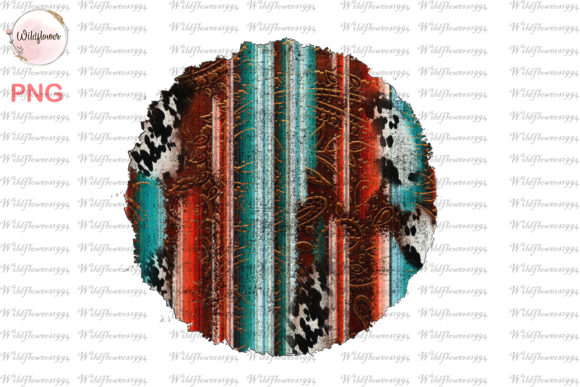
Reviewing Serape Cowhide Western Circle Background
As a designer who spends more time looking at stitch density charts than actual sunsets, I approach every new digital asset with a healthy dose of skepticism. The market is flooded with generic clipart, but finding a design that balances aesthetic appeal with technical embroidery viability is rare. Recently, I pulled Serape Cowhide Western Circle Background from the Crafts and Graphics category to see if it holds up under the needle. This isn’t just another decorative PNG; it’s a specific visual statement that promises a blend of rustic texture and vibrant color. But does it translate well to thread? Can an Etsy seller actually make money with this without spending hours fixing hooping errors? Let’s dive into the practical realities of using this design in real-world projects.
The First Impression: Mood and Visual Weight
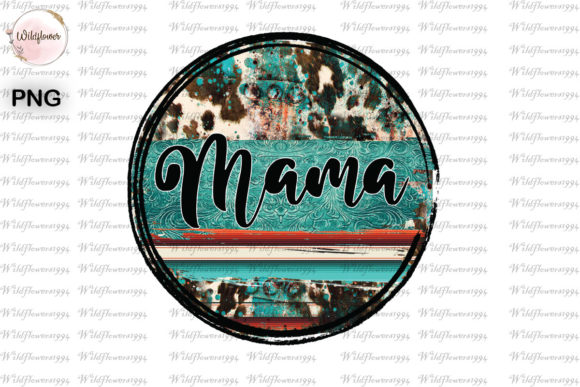
When you first load Serape Cowhide Western Circle Background into your digitizing software or preview window, the immediate takeaway is its strong cultural resonance. It captures the essence of Southwestern and bohemian aesthetics without feeling cluttered. The circular shape provides a natural focal point, which is crucial for embroidery because hoops are round by nature. Unlike square or rectangular designs that often require awkward cropping or excessive negative space, this circle fits organically within standard hoop sizes.
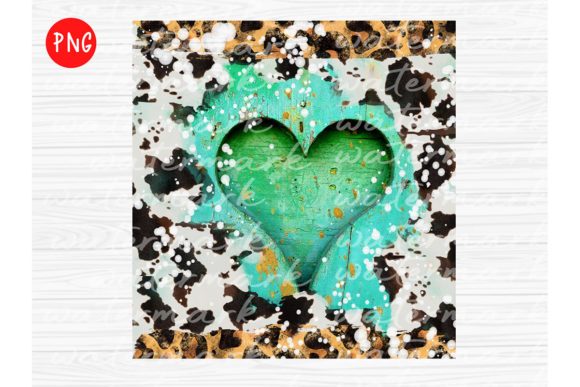
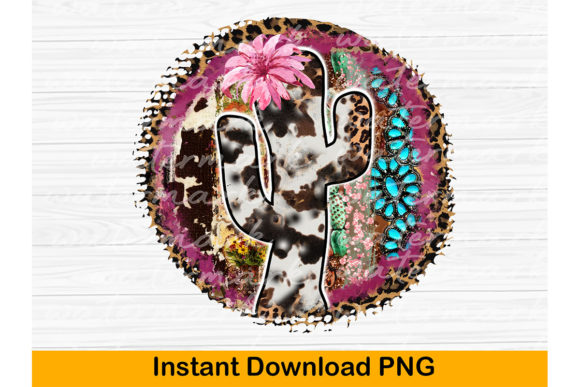
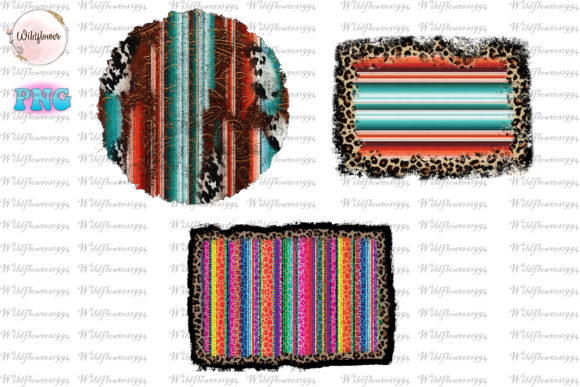
The juxtaposition of the cowhide texture against the serape pattern creates a dynamic visual tension. In theory, this looks stunning. In practice, however, it demands careful consideration of stitch types. The cowhide element suggests a need for textured fill stitches or perhaps a faux-fur effect, while the serape portion relies on bold color blocking. For the maker, this means the design has high visual impact but requires precise thread selection to avoid muddying the details. It feels like a piece meant for someone who wants their handmade product to tell a story immediately—think boutique home decor or statement apparel rather than subtle corporate branding.
Real-World Application: From Screen to Stitch
I put this design through its paces with a specific scenario in mind: creating a line of custom embroidered tote bags and sweatshirts for a small craft business. The goal was to create a handmade product that felt premium enough to justify a higher price point on platforms like Etsy.
Custom Apparel and Tote Bags
On a heavy cotton canvas tote bag, Serape Cowhide Western Circle Background shines. The sturdy fabric supports the weight of the embroidery without puckering. I found that placing the design centrally allows the circular motif to dominate the bag’s surface, making it instantly recognizable as a tote bag design. The contrast between the dark cowhide elements and the bright serape colors pops beautifully against neutral bag fabrics. For an Etsy seller, this is a low-risk, high-reward item. It appeals to the festival-goer, the farmer’s market shopper, and the boho-chic interior decorator simultaneously.
Holiday Embroidery and Personalized Gifts
During the holiday season, this design transitions well into personalized gift territory. Imagine applying it to a plush throw blanket or a kitchen towel. The warmth of the colors evokes a sense of comfort and tradition. However, when scaling this down for smaller items like baby embroidery on onesies or burp cloths, caution is required. The intricate details of the cowhide print may become lost if the final stitched area is too small. In these cases, the design works best as a secondary accent rather than the main event.
Technical Considerations and Potential Pitfalls
No design is perfect, and Serape Cowhide Western Circle Background comes with specific challenges that every embroiderer must address before hitting “start.”
- Stitch Density and Fabric Texture: If you attempt to stitch this on thin or stretchy fabrics, such as lightweight jersey knits for sweatshirt embroidery, you risk distortion. The dense areas typical of cowhide textures can pull the fabric out of shape. Always use a proper stabilizer—cut-away for woven fabrics and tear-away for stable knits—and consider adding a backing layer if the base fabric is particularly delicate.
- Thread Color Contrast: The success of this design hinges entirely on thread choice. You cannot simply rely on the colors seen in the digital preview. Test your thread colors on scrap fabric first. Dark cowhide areas might disappear on black fabric unless you use a metallic or contrasting thread to define the edges. Conversely, bright serape colors can look garish if not balanced with neutral tones.
- Small Details and Corners: While the overall shape is a clean circle, the internal patterns have corners and fine lines. These are prone to breaking needles or tangling thread if the stitch density is too high. Review the machine embroidery design closely. If possible, simplify the smallest details by combining adjacent colors or reducing the number of jumps in the code.
Strategic Advice for Commercial Use
For those selling finished goods, understanding how Serape Cowhide Western Circle Background affects perceived value is key. Customers associate complex, multi-textured designs with higher quality and effort. When you present this in a printable mockup or a physical display at a craft fair, ensure the lighting highlights the texture. A flat image does not do justice to the tactile nature of embroidery.
However, be mindful of where you place this design. Avoid using it on curved surfaces like baseball caps unless you have specialized 3D hooping capabilities. The circular background may distort when wrapped around the curve, leading to a misaligned final product. Similarly, avoid placing dense stitch areas near seams or edges where frequent washing and friction could cause wear and tear. For commercial embroidery projects involving durable goods like work aprons, consider simplifying the design to ensure longevity.
Final Verdict: Is It Worth the Hoop Time?
Serape Cowhide Western Circle Background is a versatile and visually striking asset that offers significant potential for creative entrepreneurs. It bridges the gap between trendy digital aesthetics and traditional craftsmanship. Whether you are designing a unique embroidered patch, a cozy nursery item, or a standout piece of custom apparel, this design provides a strong foundation.
Just remember: technology is only as good as the preparation. Check your hoop size compatibility, inspect your digital embroidery file for any unnecessary jumps, and always test on scraps. When executed correctly, this design doesn’t just fill a hoop—it elevates the entire brand. For the skilled maker willing to pay attention to detail, it is a valuable addition to any library of design assets.