Rock Mama Western Leopard: A Designer’s Review
As a designer who spends more time than I care to admit staring at stitch density charts and testing fabric samples, I approach every new graphic with a healthy dose of skepticism. The market is flooded with generic clipart that looks fine on a screen but falls apart under the needle. That is why I decided to put Rock Mama Western Leopard through its paces before committing it to any client projects or my own shop inventory. This isn’t just another cute graphic; it is a specific aesthetic choice that demands careful consideration regarding how it translates from a digital file to a physical, stitched reality.
The First Impression: Mood and Visual Personality
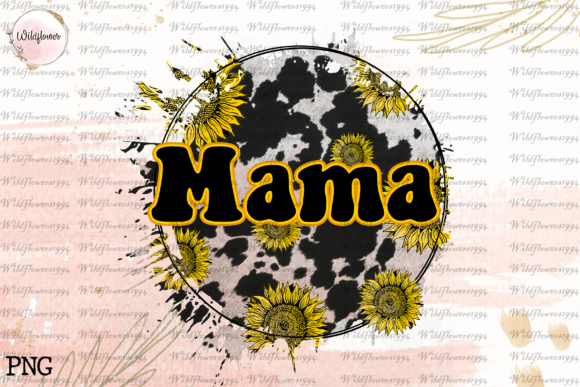
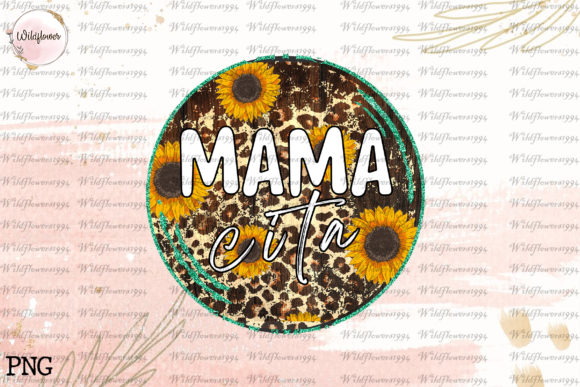
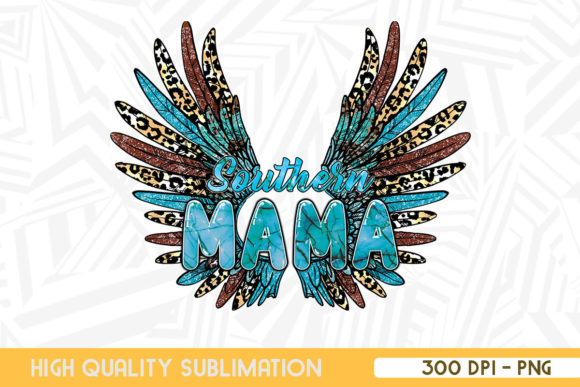
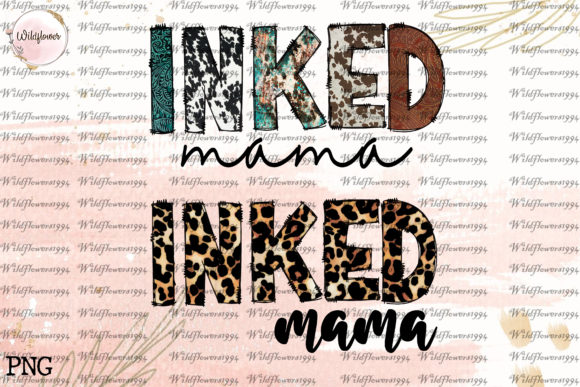
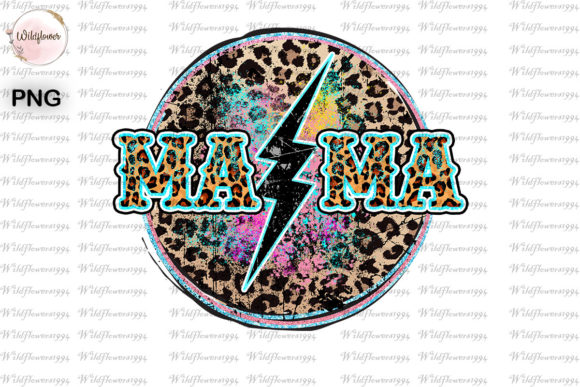
When you first load Rock Mama Western Leopard into your design software, the immediate takeaway is its bold, unapologetic attitude. The combination of the "Rock Mama" theme with the leopard print motif creates a visual tension that is both playful and edgy. It does not scream "pastel nursery"; it whispers "boutique streetwear" or "cool mom energy."
From a layout perspective, the design feels balanced. It has enough negative space to breathe, which is critical for embroidery. Unlike dense, cluttered designs that require complex digitizing to avoid puckering, this graphic appears to have clear focal points. The leopard pattern itself introduces a natural texture that can either enhance the stitching or clash with the fabric grain, depending on how you choose to execute it. It feels like a design meant to be seen, not just touched. It has a strong visual personality that aligns perfectly with current trends in personalized gifts and custom apparel where individuality is prized over uniformity.
Real-World Application: Where Does It Shine?
I wanted to see how Rock Mama Western Leopard would perform in actual production scenarios. My primary test case was a custom embroidered tote bag intended for a local craft fair booth. The goal was to create a high-value accessory that stood out against the sea of floral and minimalist designs typically found at such events.
The result was striking. On a sturdy canvas tote, the design popped. The contrast between the dark threads used for the leopard spots and the lighter background fabric created depth that flat graphics simply cannot achieve. This is where the concept of an embroidery project truly adds value. The tactile nature of the thread catches the light, making the product feel premium. Customers gravitate toward items that look expensive, even if they are affordable. This design elevates a simple tote bag into a statement piece.
Beyond totes, I envision this design thriving in several other categories:
- Custom Apparel: Think oversized sweatshirts or fitted t-shirts for women who want to express their personality. The western vibe pairs well with denim jackets or flannel shirts.
- Baby Embroidery: While the theme is rock-and-roll, the leopard print softens it slightly. Applied to a onesie or a baby blanket, it offers a gender-neutral yet stylish option for modern parents.
- Kitchen and Home Decor: Tea towels and pillow covers are underrated markets. A subtle application of this design on a neutral linen tea towel adds a touch of whimsy to a kitchen without overwhelming the space.
- Embroidered Patches: For cap enthusiasts, this design works beautifully as a back patch or a front-center appliqué, adding instant cool factor to baseball caps or beanies.
For the Etsy seller or small shop owner, this versatility is gold. You can market the same digital asset across multiple product lines, maximizing your return on investment while maintaining a cohesive brand aesthetic.
Technical Considerations and Potential Pitfalls
No design is perfect, and Rock Mama Western Leopard comes with specific challenges that every embroiderer must address. The most significant concern is stitch density. Leopard prints often involve small, repetitive elements. If these are digitized with too much fill stitch, the fabric will pucker, especially on lightweight materials. I strongly advise checking the stitch density in your digitizing software before running the first sample. If the design feels too heavy, consider using a mix of satin stitch for outlines and running stitch for details to reduce bulk.
Fabric choice is equally critical. This design should be avoided on thin, stretchy fabrics like jersey knits unless you use a high-quality tear-away stabilizer. The weight of the embroidery can distort the garment. Similarly, textured fabrics like bouclé or heavy tweed may hide the finer details of the leopard print, rendering the design muddy and indistinct. Stick to smooth, stable fabrics like cotton twill, denim, or fleece for the clearest results.
Another area requiring caution is color contrast. Because the design relies on the interplay of light and dark (the spots vs. the base), using low-contrast thread colors will make the image disappear. Always test your thread colors on the actual fabric you intend to use. A black-on-black attempt might look sleek in theory but will likely fail in practice due to the lack of definition.
Small Hoops and Curved Surfaces
If you plan to place this design on a curved surface like a cap, you need to ensure the design scales down effectively. Small hoop sizes often force designers to simplify details, and Rock Mama Western Leopard may lose its character if reduced too far. Test it in a 4x4 inch hoop first. If the leopard spots become mere blobs, it is time to reconsider the placement or choose a simpler graphic for that specific application.
Impact on Brand and Customer Trust
In the world of handmade products, presentation is everything. A poorly executed embroidery job can damage your reputation faster than anything else. However, a well-executed finished product builds immense trust. When a customer receives a shirt with crisp edges, no visible backing showing through, and vibrant colors, they perceive your work as professional. They are more likely to leave a positive review and recommend your shop to others.
This design also speaks to brand consistency. If your shop focuses on bold, expressive, and slightly rebellious aesthetics, Rock Mama Western Leopard fits right in. It signals to your audience that you understand their style. It is not just a product; it is a reflection of their identity. This emotional connection is what drives sales in the craft business.
Practical Designer Notes for Success
Before you rush to produce hundreds of units, follow these practical steps to ensure success:
- Test on Scrap Fabric: Never run a full production batch without a test run. Use scraps of the exact fabric and stabilizer you plan to use.
- Check Licensing: Ensure you have the commercial rights to sell finished items made from this design. The description mentions it is a PNG file, but verify the license terms for merchandise.
- Use Proper Stabilizer: Depending on the fabric, you may need cut-away or tear-away stabilizer. Wrong stabilization leads to puckering and misalignment.
- Inspect Small Details: Zoom in on the digital file. Are there tiny elements that might get lost in the stitching? Simplify if necessary.
- Create Printable Mockups: Before investing in thread and fabric, create a printable mockup to show potential customers. This helps gauge interest without risking material waste.
Final Verdict
Rock Mama Western Leopard is a strong contender for any designer looking to add edge and personality to their collection. It is not a safe, boring choice, but that is exactly its strength. By understanding its technical requirements and choosing the right applications, you can turn this graphic into a best-selling item. Whether you are creating a one-off gift for a friend or stocking shelves for your commercial embroidery business, this design offers a compelling blend of style and substance. Just remember: good embroidery is about preparation. Test, adjust, and then let the machine do its magic.