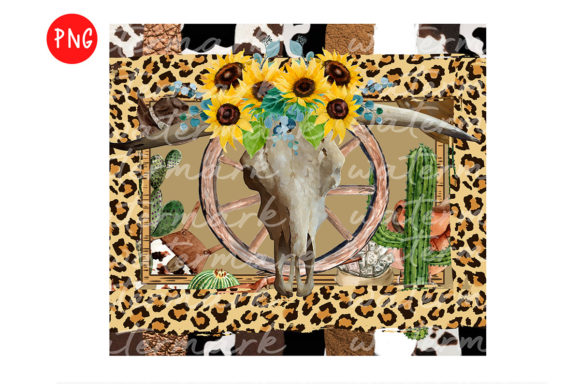
Western Aztec Cow Skull Png 20oz Skinny
As a designer who spends more time than I care to admit staring at stitch charts and fabric swatches, I have learned that the difference between a good craft project and a sellable product often comes down to one thing: visual hierarchy. When I first pulled up the Western Aztec Cow Skull Png 20oz Skinny, my initial reaction wasn't about the trendiness of the motif, but rather its structural integrity. In the world of Crafts and Graphics, it is easy to get swept up in flashy aesthetics, but as someone evaluating this for real-world application, I am looking at how it translates from a screen to a needle.
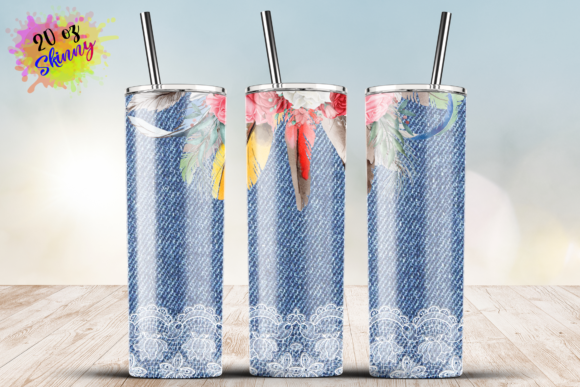
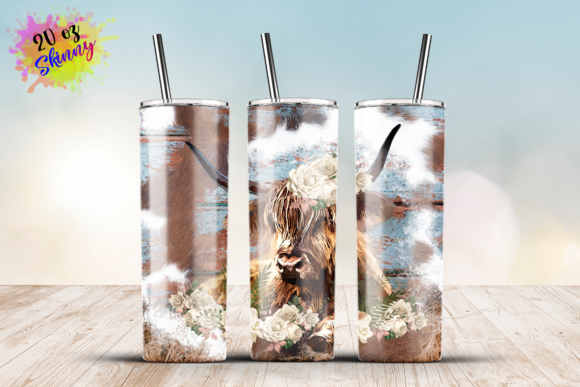
This file is marketed primarily as a sublimation wrap for a 20oz skinny tumbler, which immediately sets a specific context. However, as an embroidery reviewer, I see potential that extends far beyond drinkware. The core question is not just whether it looks cool on a mug, but whether the design holds up when interpreted through thread. Let’s break down how this Western Aztec Cow Skull Png 20oz Skinny performs when we move it into the realm of custom apparel, personalized gifts, and small business merchandise.
First Impressions and Visual Personality
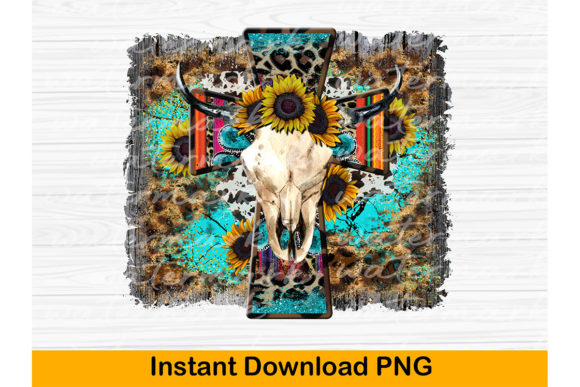
The moment you look at the layout, the design communicates a strong, rugged aesthetic. The Aztec patterns provide a geometric backbone that contrasts nicely with the organic curves of the skull. From a design perspective, this balance is crucial. If the geometric elements were too heavy, the skull might lose its identity; if they were too light, the piece would feel unbalanced. This design strikes a middle ground that feels intentional.
For designers considering this for a machine embroidery design workflow, the mood is clear. It fits naturally into the "modern western" or "boho rustic" niche that continues to perform well on platforms like Etsy. It appeals to customers who want something edgy but structured. The visual personality is confident, which is exactly what you want in a handmade product meant to stand out in a crowded market. It doesn’t whisper; it has a distinct presence.
Real-World Application: Beyond the Tumbler
While the product description highlights sublimation wraps, I want to explore how this translates to embroidery. Imagine preparing a custom order for a client who wants a sweatshirt embroidery piece for a fall festival. Placing the Western Aztec Cow Skull Png 20oz Skinny centered on the chest or back of a heavyweight cotton blend can create a striking focal point. The tapered nature of the original graphic suggests it works well when scaled, allowing you to adapt it for various custom apparel needs without losing detail.
Consider a boutique owner looking to expand their inventory. This design could easily be adapted into an embroidered patch for denim jackets or beanies. The geometric borders make it forgiving for edge finishing, which is a practical advantage when creating patches that need to be durable. For Etsy sellers, versatility is key. A single design asset can be marketed across multiple categories: apron embroidery for a cooking enthusiast, kitchen towel designs for housewarming gifts, or even nursery decor if the color palette is softened.
I also see potential in the holiday embroidery space. While skulls are often associated with Halloween, the Aztec pattern adds a timeless quality that can work year-round. It moves away from the spooky trope and leans into cultural artistry, making it suitable for wedding gifts or anniversary presents for couples who love alternative aesthetics. This broadens the customer base significantly compared to a standard holiday motif.
Technical Considerations for Embroidery
Here is where the rubber meets the road. Translating a PNG designed for print into an embroidery file requires careful planning. The Western Aztec Cow Skull Png 20oz Skinny contains intricate details that can pose challenges if not handled correctly. One of the first things I would check is the stitch density. Aztec patterns often involve tight fills. If the density is too high, the fabric will pucker, especially on lighter materials. Conversely, if the design is digitized with too much negative space, it may lack the bold impact seen in the digital preview.
Fabric choice is another critical factor. This design shines on stable fabrics like canvas, denim, or thick cotton blends. These materials provide the necessary structure to support the weight of the threads. I would advise against using this on thin, stretchy fabrics like jersey knit unless you use a heavy-duty stabilizer. On such materials, the tension required to hold the Aztec lines straight could cause the fabric to distort, ruining the geometric precision that makes the design appealing.
Thread colors play a massive role in the final finished product. The contrast between the background fabric and the thread must be sharp. On dark fabrics, you will need bright, reflective threads to ensure the skull stands out. On light fabrics, darker threads will provide a classic look. I recommend testing your thread colors on scrap pieces of your actual production fabric before committing to the final item. Lighting conditions in your shop or studio can also alter how the colors appear, so always do a side-by-side comparison under natural light.
Where to Use Carefully
Not every surface is a good match for this level of detail. I would avoid placing this design in very small hoop sizes. The intricate corners of the Aztec pattern require enough space to be stitched cleanly. If forced into a tiny area, the details will merge into a blurry mass, defeating the purpose of the design. Similarly, curved surfaces like caps or sleeves can be tricky. The flat geometry of the Aztec pattern may not follow the curve of a hat brim naturally, leading to puckering or misalignment.
Additionally, consider the end-user’s maintenance habits. If this is being sold as a craft business item intended for frequent washing, ensure the stitching is secure. Dense areas can trap lint or wear down faster if not properly anchored. Always inspect the design for any overly long runs of running stitch that might snag during laundering.
Value and Professional Presentation
From a branding perspective, using a high-quality design like the Western Aztec Cow Skull Png 20oz Skinny elevates the perceived value of your work. Customers associate clean lines and balanced composition with professionalism. When you present a mockup of this design on a tote bag or sweatshirt, it looks intentional and polished. This helps build customer trust and encourages repeat purchases.
For digital product sellers, offering this as part of a larger collection of design assets can increase sales. It pairs well with complementary western or geometric motifs. Creating printable mockups that showcase the design in lifestyle settings—such as on a wooden table next to coffee or worn by a model in a rustic setting—can help buyers visualize the final result. This visualization step is crucial for reducing returns and increasing satisfaction.
Final Designer Notes
Before incorporating this into your production line, I strongly advise running a test stitch-out. Check the hoop size compatibility and ensure your machine handles the transition between the fill stitches of the skull and the geometric accents smoothly. Review the design in black and white to check for contrast issues. Confirm the licensing terms, especially if you plan to sell the finished physical items commercially. While the source is a downloadable graphic, commercial rights vary, and protecting your small shop product means staying compliant.
In summary, the Western Aztec Cow Skull Png 20oz Skinny is a versatile, visually striking asset. It offers a strong foundation for a variety of embroidery projects, from personal gifts to commercial merchandise. By paying attention to fabric stability, thread contrast, and stitch density, you can transform this graphic into a professional-grade product that resonates with customers who appreciate bold, artistic design. It is a solid addition to any designer’s toolkit, provided it is executed with care and technical precision.