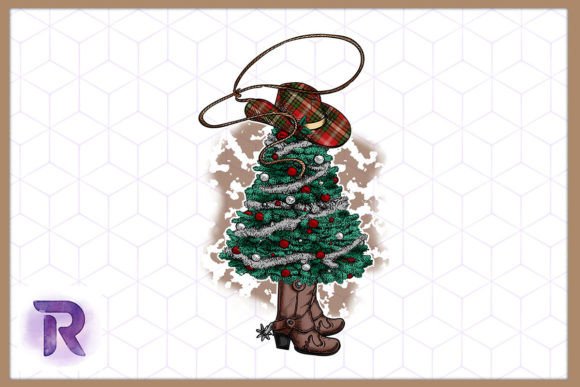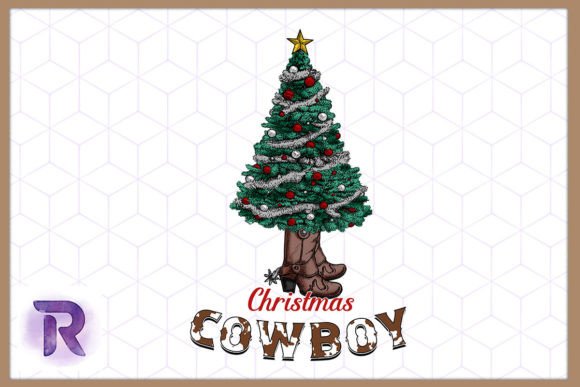
Christmas Cowboy Western Christmas
As a designer who spends more time than I care to admit staring at stitch density charts and testing thread tension, I don’t just look at a design file; I look at the finished product it will become. When I pulled up Christmas Cowboy Western Christmas, my first thought wasn’t about the holiday spirit—it was about execution. Would this translate well to fabric? Would it hold up in a real-world application like a custom tote bag or a boutique sweatshirt? After running through a mental simulation of hoop sizes, stabilizer choices, and customer expectations, here is my honest take on how this machine embroidery design performs when moved from screen to stitch.
The First Impression: Mood and Layout
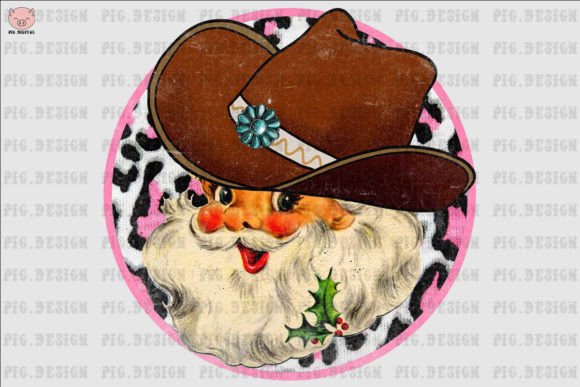
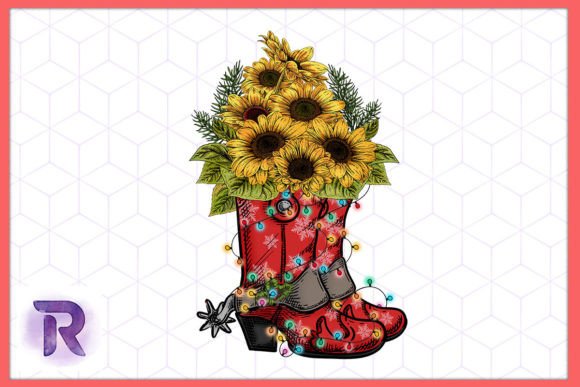
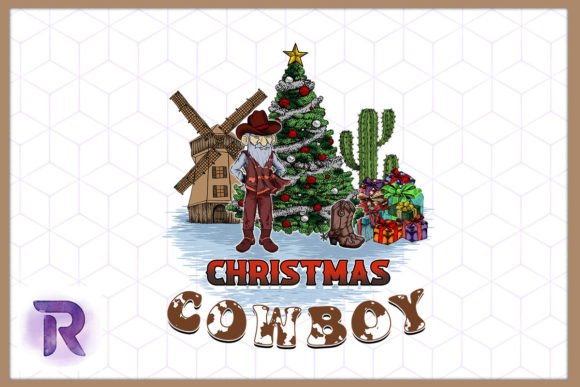
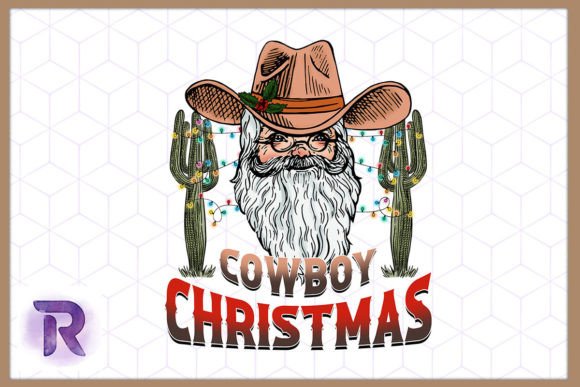
The visual personality of Christmas Cowboy Western Christmas strikes a balance between rustic charm and festive cheer. For those in the craft business space, particularly Etsy sellers and small shop product creators, capturing that specific "western holiday" vibe is a niche with high engagement potential. The layout feels grounded. It doesn’t scream for attention with chaotic elements; instead, it offers a cohesive scene that suggests storytelling. This is crucial for personalized gift items where the buyer wants something that feels curated, not mass-produced.
From a pure aesthetic standpoint, the design creates a warm, nostalgic mood. It fits naturally into the category of holiday embroidery without feeling generic. Whether you are designing for a nursery decor item or a rugged apron, the theme allows for versatility. However, as an experienced reviewer, I always ask: does the detail level match the intended use? In this case, the design appears robust enough for larger placements but might require careful digitizing adjustments if scaled down too small.
Real-World Application: Where It Shines
I often think about my clients and the specific projects they bring to me. Imagine preparing a batch of custom embroidered tote bag design pieces for a holiday market. Christmas Cowboy Western Christmas would sit beautifully on the front panel of a canvas tote. The boldness of the western theme contrasts nicely with the utilitarian nature of a tote, creating a product that feels both functional and fashionable. It elevates a simple accessory into a statement piece.
Consider also the realm of sweatshirt embroidery. As winter approaches, customers are looking for cozy, thematic apparel. Placing this design on a cream or heather grey sweatshirt would create a striking visual. The western motif pairs exceptionally well with softer fabrics like fleece or heavy cotton blends. It adds character to what could otherwise be a plain garment, increasing the perceived value of the finished product.
For baby embroidery, the design offers a unique twist on traditional baby shower gifts. A onesie or a blanket featuring this theme stands out among the usual stars and moons. It appeals to parents with a love for outdoor lifestyles or western aesthetics. Similarly, for apron designs, this graphic works well in a kitchen setting, adding a touch of seasonal fun to holiday cooking sessions. It’s the kind of handmade product that sparks conversation and encourages social media sharing, which is vital for design assets meant to drive sales.
Technical Considerations and Stitch Clarity
When evaluating any embroidery file, clarity is king. If a design relies on tiny details that get lost in the stitching process, it fails its primary purpose. With Christmas Cowboy Western Christmas, the key is managing the stitch density. Western themes often involve intricate elements—perhaps a cowboy hat brim, boot laces, or decorative trim. These areas need sufficient spacing to prevent puckering and maintain definition.
If this design incorporates applique design techniques, it can solve many density issues by using fabric rather than thread for large background areas. This is especially useful for commercial embroidery projects where durability matters. The use of satin stitch for outlines and borders should be checked for smoothness, ensuring there are no jagged edges when the needle pulls tight. Conversely, fill stitch areas must be evaluated for texture. Too much fill can make a custom apparel item stiff and uncomfortable, while too little can leave gaps visible against the fabric color.
I strongly advise testing the thread colors before committing to a full production run. The contrast between the thread and the base fabric is what makes the design pop. On dark fabric, lighter threads might struggle to show fine details, whereas on light fabric, darker threads provide sharp definition. Always inspect small details under good lighting. If the design includes running stitch accents, ensure they are long enough to be visible but short enough to not unravel easily during washing.
Where Caution Is Required
Not every surface is created equal. There are specific scenarios where Christmas Cowboy Western Christmas might present challenges:
- Small Hoop Sizes: If you attempt to fit this design into a very small hoop, such as one used for socks or tiny accessories, the details may merge into a muddy blob. Ensure your hoop size matches the design dimensions comfortably.
- Textured Fabrics: While denim or burlap might seem like perfect thematic partners, their texture can distort stitches. Use a heavy-duty stabilizer to support the fabric and prevent shifting.
- Stretchy Fabric: Knits and jersey materials stretch during stitching, which can warp the design. A cut-away stabilizer is essential here to maintain shape after the hoop is removed.
- Curved Surfaces: Applying this to caps or hats requires careful positioning. The western theme might look disjointed if the curve of the cap distorts the symmetry of the design.
- Dense Stitch Areas: Avoid placing dense sections directly over seams or zippers, as this can cause machine needle breakage or uneven fabric layers.
Visual Appeal and Brand Consistency
In the world of digital product sellers and creative entrepreneurs, presentation is everything. A well-executed embroidery project builds customer trust. When a buyer sees that the Christmas Cowboy Western Christmas design has been stitched cleanly, with consistent tension and vibrant colors, it signals professionalism. It suggests that the seller cares about quality.
This design lends itself well to printable mockup creation. Before you even buy the thread, you can visualize how it looks on various backgrounds. Testing the design in black and white mockups helps you assess the contrast and composition without being distracted by color. This step is crucial for ensuring the design remains legible and impactful regardless of the final thread choice.
Practical Designer Notes for Success
To get the best results from this graphics asset, follow these practical steps:
- Test on Scrap Fabric: Never assume a design will work perfectly on your final material. Run a test stitch-out to check for alignment and tension issues.
- Review Stabilizer Choice: Match the stabilizer to the fabric weight. Lightweight fabrics need lightweight stabilizers, while heavy canvas needs robust support.
- Confirm Licensing: Before selling finished product items or offering this as a digital embroidery file, verify the licensing terms. Commercial rights vary, and understanding them protects your craft business.
- Inspect Small Details: Zoom in on the digital file. Are there any overly thin lines that might disappear? Can they be thickened?
- Compare Backgrounds: Test the design on both light and dark fabrics to see how the mood shifts. Sometimes a design reads better in monochrome on dark backgrounds.
Ultimately, Christmas Cowboy Western Christmas is a strong candidate for anyone looking to add a touch of rustic holiday flair to their offerings. It balances thematic appeal with practical design considerations, making it suitable for a wide range of embroidery project types. By paying attention to the technical details—from fabric texture to stabilizer selection—you can transform this digital concept into a tangible, beloved handmade product that resonates with customers and enhances your brand’s identity.